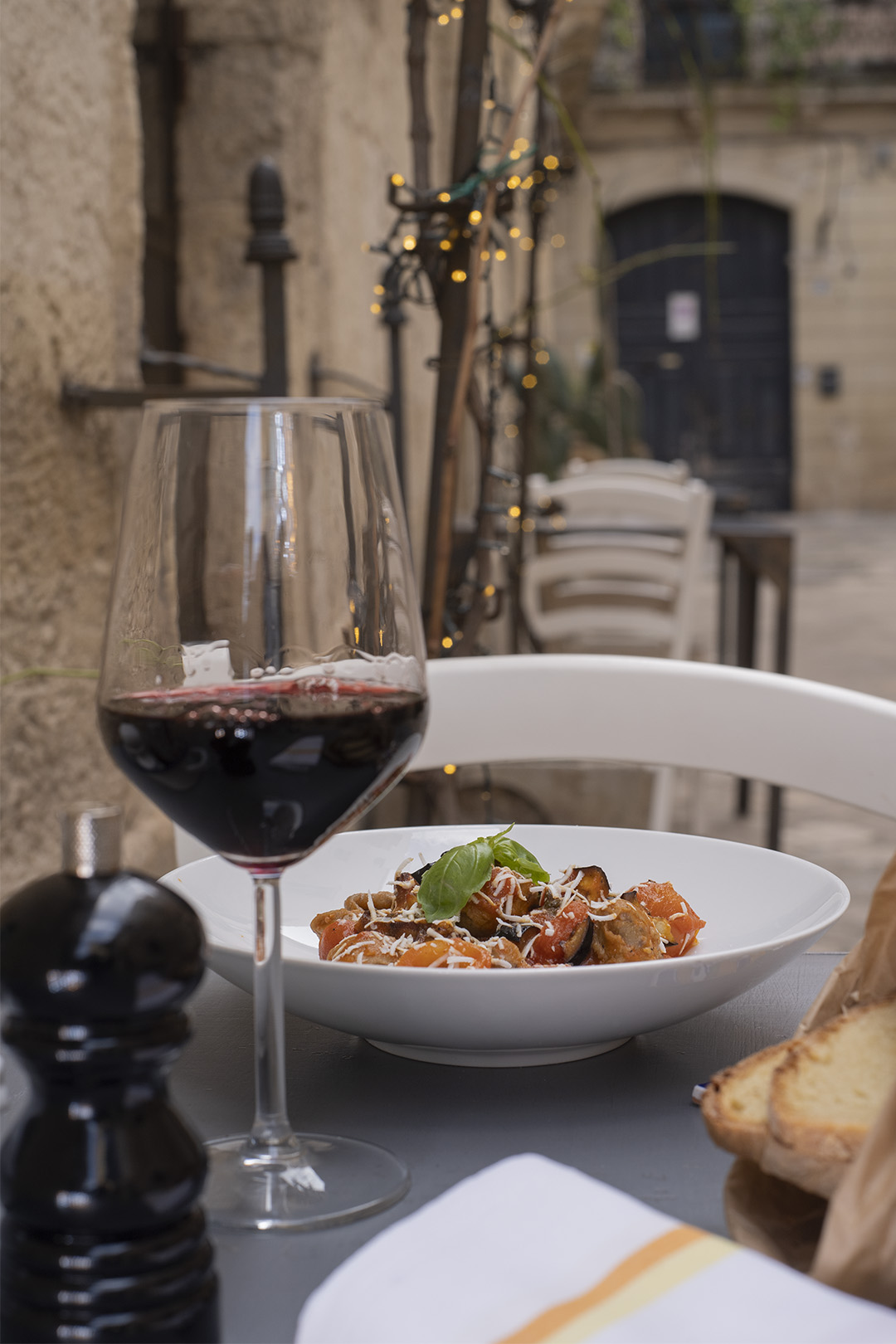
The Keys to Puglian Pasta
Ingredients:
Unlike Northern Italy, where egg pasta is common, the dough in Puglia is typically made only with durum wheat semolina and water. Eggs were historically considered a luxury to be sold, not eaten, by the region’s agricultural communities. The high protein content of local durum wheat provides a rougher, more porous texture that holds hearty sauces well.
Handmade Shapes:
Many unique pasta shapes are still crafted by hand using simple tools like a flat knife (sfèrre or troccolo) or a grooved rolling pin (troccolaturo). The most famous is orecchiette, a small, concave, ear-shaped pasta with a wrinkled surface, designed to capture the sauce perfectly.

Connection to the Land and Sea:
The pasta dishes reflect the region’s abundant local produce and coastal resources. Classic pairings include:
-
- Orecchiette con cime di rapa (with turnip greens), an iconic dish often flavored with garlic, chili flakes, and anchovies.
- Cavatelli (little hollows) served with vegetables or seafood like mussels.
- Sagne ‘ncannulate (twisted ribbons), often served with fresh tomato sauce and a strong local ricotta cheese called ricotta forte or cacioricotta.
- Pasta Assassini (Killer Pasta) is a famous and spicy pasta dish from Bari Puglia, known for its unconventional cooking method and distinct charred, crispy texture.
Cultural Significance:
Pasta making is deeply ingrained in the local culture, a tradition passed down through generations. In Bari’s old town, for instance, women (known as nonne, or grandmothers) can still be seen making and selling fresh orecchiette by hand on the street, making the process a living symbol of the region.

Cucina Povera Ethos:
The cuisine emphasizes simple, high-quality, seasonal ingredients, turning humble components into flavorful, satisfying dishes.
Puglia’s pasta is special because it is a direct expression of its history, resourcefulness, and a deep connection to the local environment and community.

Other Puglian culinary specialties:
Cheeses and Dairy
- Burrata: This fresh cow’s milk cheese, originating from Andria, has a solid mozzarella shell filled with creamy stracciatella and cream. It should be eaten within 24 hours of production to appreciate its freshness.
- Caciocavallo: A semi-hard, stretched-curd cheese with a distinctive shape (traditionally hung in pairs over a wooden pole) and a tangy flavor that intensifies with aging.
- Ricotta Forte: A pungent, strong-tasting creamy ricotta that is often used as a sharp condiment in traditional dishes.
Bread and Baked Goods
- Pane di Altamura: This famed bread holds a Protected Designation of Origin (DOP) status and is made from local durum wheat semolina, known for its crispy crust and soft, fragrant interior.
- Focaccia Barese: A soft, thick, and oily flatbread from Bari, typically topped with cherry tomatoes, olives, and oregano. It’s a popular street food snack.
- Friselle: A hard, ring-shaped, twice-baked bread that is softened with water and topped with fresh ingredients like tomatoes, olive oil, and oregano, a staple for a light summer lunch.
- Taralli: Crunchy, ring-shaped savory crackers made with flour, olive oil, and white wine, often flavored with fennel seeds or black pepper. They are an essential snack or part of an aperitivo spread.
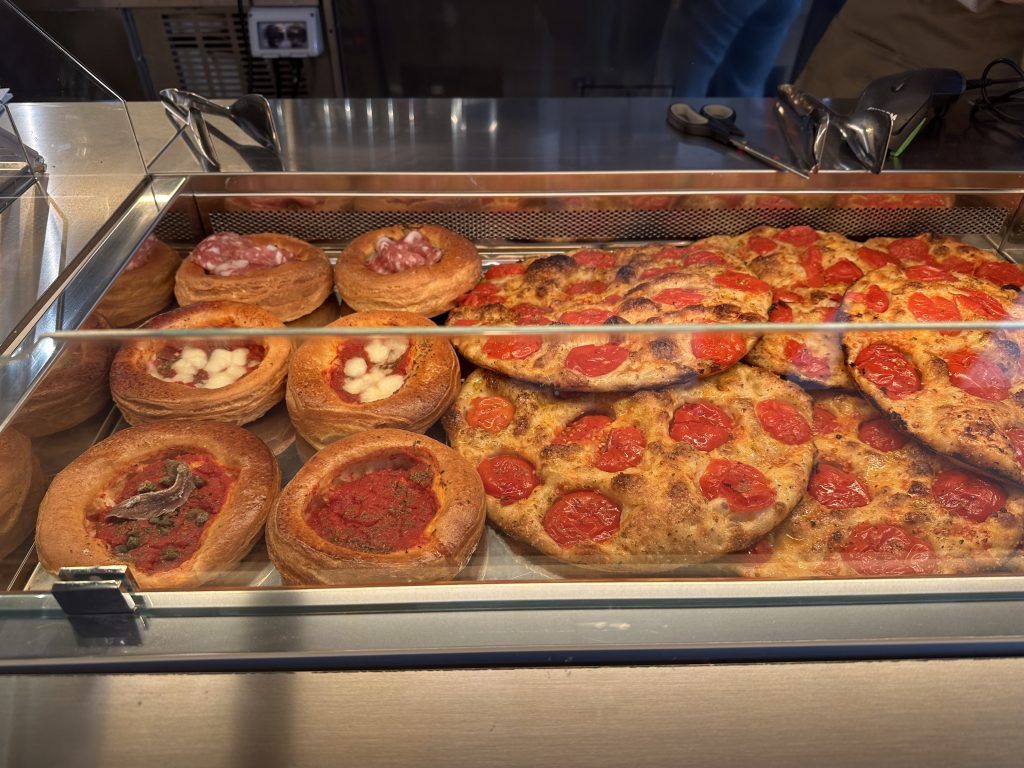
Street Food and Savory Dishes
- Panzerotti: Deep-fried turnovers made from pizza dough, traditionally stuffed with tomato and mozzarella cheese.
- Bombette: Small rolls of thinly sliced pork stuffed with cheese (typically caciocavallo) and herbs, then grilled. They are a specialty of the Itria Valley.
- Puccia: A round, hollow bread roll made from pizza dough, which is then typically filled with a variety of local meats, cheeses, and vegetables to make a hearty sandwich.
- Fave e Cicorie: An iconic cucina povera dish of slow-cooked dried fava bean purée served with sautéed wild chicory or other bitter greens.
- Tiella: A hearty baked dish of layers of rice, potatoes, and mussels, often flavored with onions, tomatoes, and parsley.
Seafood
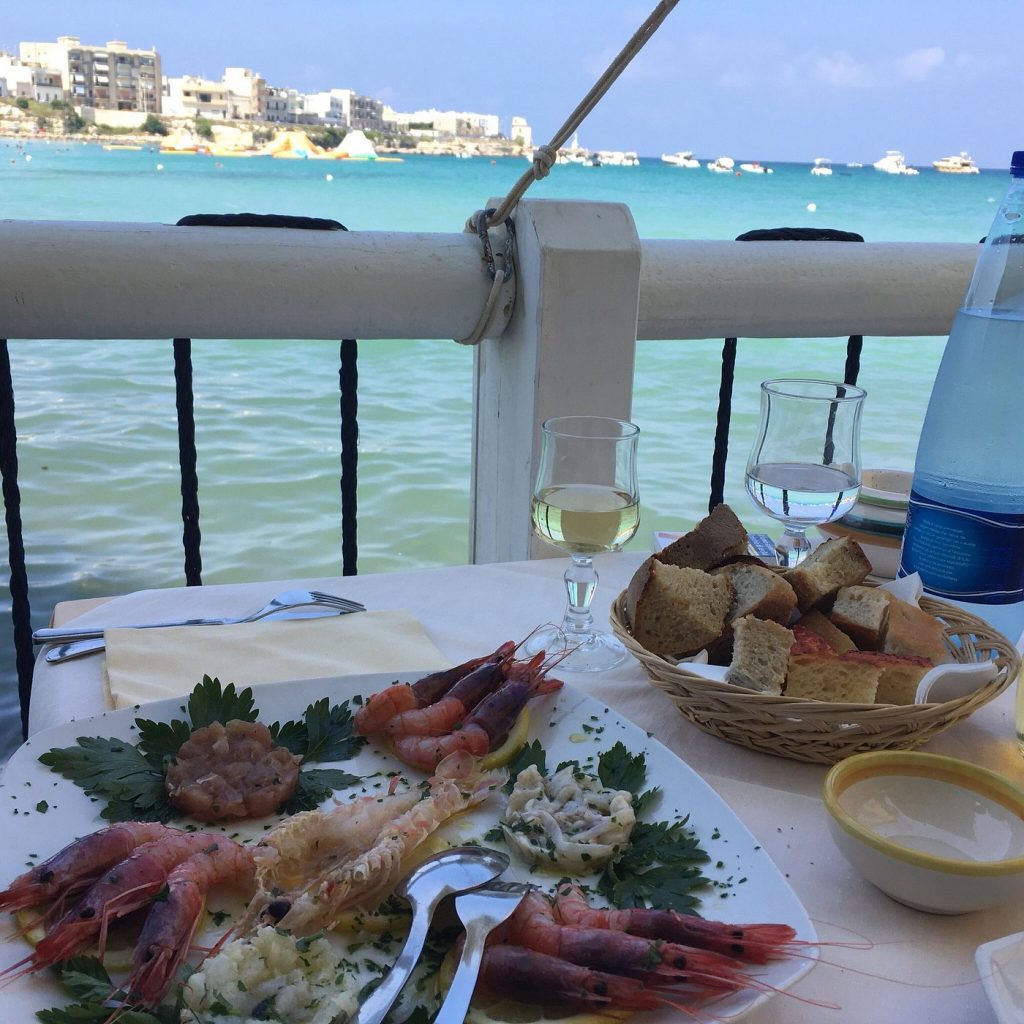
- Crudo di Mare: A tradition of eating very fresh raw seafood, including mussels, sea urchins (ricci di mare), and raw squid, often simply served with a squeeze of lemon.
- Polpo: Octopus is prepared in numerous ways, from grilled octopus sandwiches (polpo panino) to being slow-cooked in a terracotta pot (alla pignata).
Desserts
- Pasticciotto: The region’s most famous dessert is a small, oval-shaped shortcrust pastry filled with a rich custard cream, a popular choice for breakfast.
- Cartellate: Traditional Christmas sweets made of a fried, rose-shaped pastry drizzled with vincotto (cooked wine) or honey.
